A frequently cited barrier to volunteering is simply that no one personally asked. When you know how to ask for volunteers, clearly, specifically, and with ease, you increase the chance of getting a "yes." Here's how to phrase your volunteer requests effectively across different channels including emails, texts, and face-to-face conversations. Whether you're recruiting for a local event or managing long-term engagement, having ready-made scripts saves effort and improves results.
// Email Script Example
Subject: Join Us in Making a Difference!

Hi [First Name],

We're looking for passionate individuals to help us during our upcoming community cleanup day on August 15th. Your time could change lives, and we'd love to have you join us.

Click here to RSVP: [Insert Link]

Thanks for considering!
[Your Name]
// Text Message Script
Hey [Name],
Join me at the park clean-up event Saturday! We need extra hands to pick up trash & plant flowers. You'll feel great helping out. Reply YES to confirm!// In-Person Ask
"Hey [Name], I'm organizing a weekend drive to collect donations for the homeless shelter. Would you want to come along? It's a fun group project, and your help means a lot!"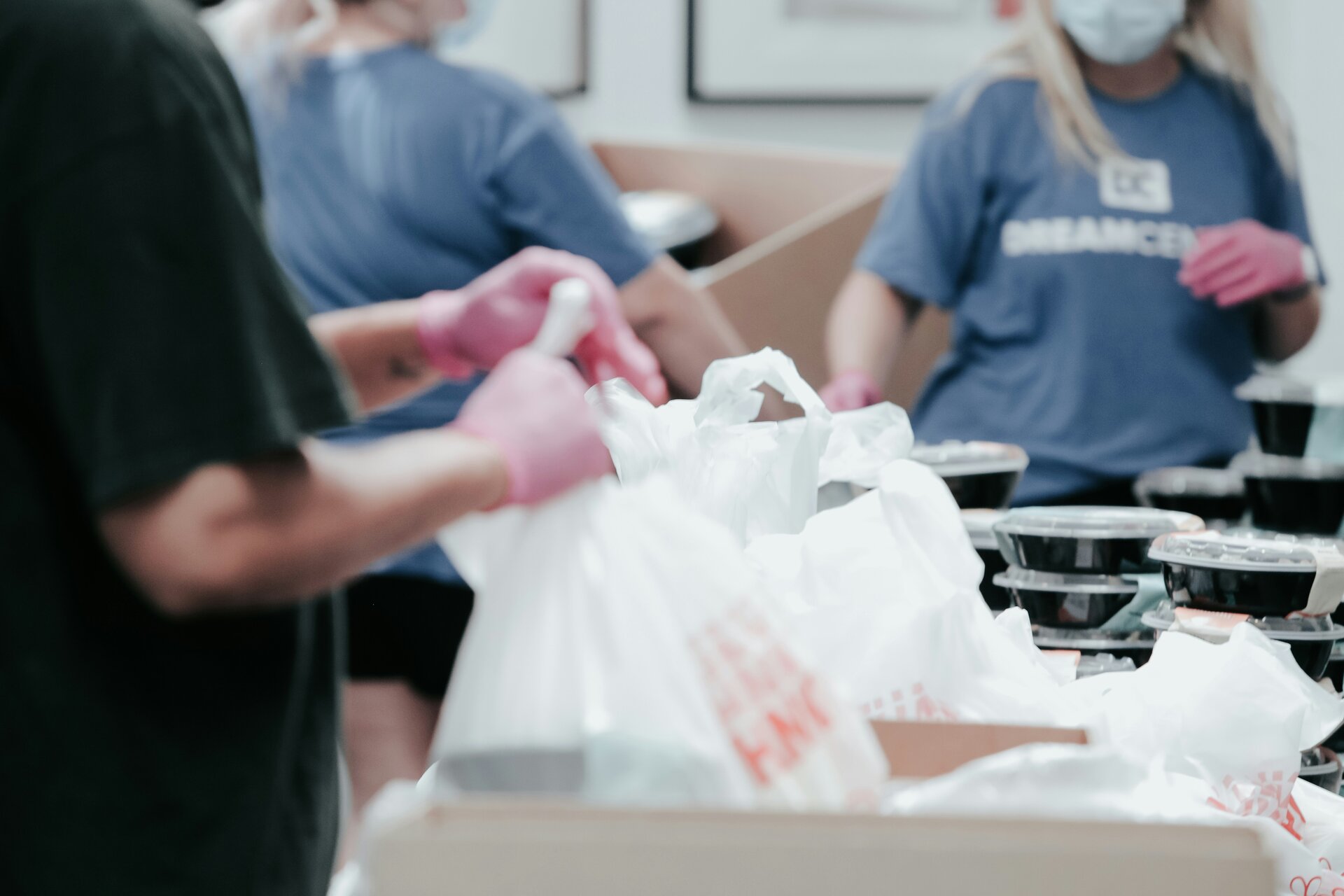
Simplify your volunteer invites with Serve.Love. Create custom opportunities quickly and send invite links directly through SMS, reducing friction between saying "I'm in" and logging in.
When you create an opportunity with Serve.Love, potential volunteers receive a streamlined invitation. They can commit in seconds, and you track their availability instantly.
Why a Good Ask Matters
Crafting an engaging volunteer ask isn't just about making a request. It's about creating clarity, purpose, and urgency. Without a strong call to action, even the best causes struggle to gain momentum. Effective messages focus on impact, simplicity, and personal relevance.
Email Scripts That Get Results
Email is still one of the top ways people accept volunteer roles. Make sure yours includes:
- Your goal clearly stated
- Who needs to help (and why)
- How they can contribute (time frame, tasks)
- An immediate option to respond ("Yes, I'm in," "Can I help?")
This format reduces decision fatigue and increases likelihood of positive responses. Try starting with a friendly greeting followed by concise details and a clear button to reply.
Text Messages As Effective Recruitment Tools
Short, sharp, and to the point: texts reach busy people faster than other methods. They should convey:
- What's happening
- Where & when
- Why it matters
- How to say yes
Use emojis sparingly to catch attention, but avoid overdoing it. A simple "YES" or "NO" allows quick replies while keeping tone warm and inviting.
Face-to-Face Asks With More Success Than You Think
In-person appeals often yield higher response rates due to immediacy and social pressure. But they require confidence and preparation. Practice these two lines ahead of time:
"If you're interested in supporting our cause, we'd really appreciate your help. Can you spare 2–3 hours tomorrow?"
"I've been thinking about how important it is to give back. Are you open to joining us for a few hours sometime soon?"
Worked Examples: Good Versus Weak Requests
Here's how bad and good volunteer asks differ in practice:
| Weak Request | Strong Request |
|---|---|
| "We need some help." | "We need 5 people to assist with sorting donated goods at the donation center on Friday afternoon." |
| "If anyone wants to help..." | "Would you consider helping us organize books for kids' literacy kits this Thursday?" |
| "Please come if you can." | "Come join us on Saturday morning at 9 AM. We'll provide supplies and coffee!" |
Making specific offers builds trust and lowers barriers. Always offer context and logistics upfront.
Volunteer Recruiting Checklist
To ensure your appeal reaches the right audience and lands well, follow this basic setup guide:
- Pick a method: email, text, or in-person based on whom you're targeting
- Make it urgent yet respectful
- List what's needed and why it matters
- Create multiple versions tailored to different audiences
- Offer flexibility in timing and role expectations
- Add a clear, clickable 'RSVP' or 'Sign Up' button wherever possible. A free SignUpGenius alternative gets you an ad-free sign-up page in minutes.
Key Takeaways
- Personalize your ask. Even small touches matter.
- Be clear about dates, times, and responsibilities.
- Give recipients a low-effort choice to say "yes," like replying "YES" or clicking a button.
- Follow up gently, if they didn't reply initially.
- Track which tactics bring the most responders. Refine accordingly.
Absolutely. Personalizing the message, not just adding names, shows respect and creates stronger emotional connections. Even a simple tweak like "This week's mission is especially meaningful to me…" adds weight.
Start early enough to allow planning, but close enough to maintain urgency. Ideally, begin 2 weeks prior. Follow up again 3 days before the event to remind folks.
Both approaches have benefits. Public posts spread awareness, individual outreach secures commitments. Mix both styles depending on goals. A public announcement plus personalized invites tends to produce best results.
If someone declines, thank them politely and leave the door open for future involvement. Some might agree later, or refer another person. Be kind and stay connected.
Always have backup volunteers lined up. Build relationships with regular contributors, and let them know you're always seeking additional help. Having a waitlist also ensures coverage for unexpected absences.
Yes. Platforms that automate scheduling, communication, and reporting save time and improve transparency for everyone involved.
Definitely. Track metrics like click-through rate, RSVP frequency, and attendance. Over time, refine language and delivery strategies based on performance data. Analytics simplify optimization.
Resources And References
- AmeriCorps - Volunteering and Civic Life in America: Insightful research on how people engage with communities.
- U.S. Bureau of Labor Statistics (BLS) - Volunteer Work Data: Understand trends around voluntary labor and motivation factors.
Ready to try crafting your next volunteer ask? Use the techniques outlined here to connect easily with helpers. Let's build stronger communities together.