Running Nightly Street Outreach Without It Collapsing on One Person
Staffing a shower trailer seven nights a week is not a Monday-morning logistics problem. It's a constant rotation of volunteers who need to know when they're coming, what they're doing, and that someone noticed they showed up. When that system lives in one coordinator's head and her phone, the mission is one sick day away from a gap. Here's how high-frequency outreach programs keep the doors open without burning anyone out.
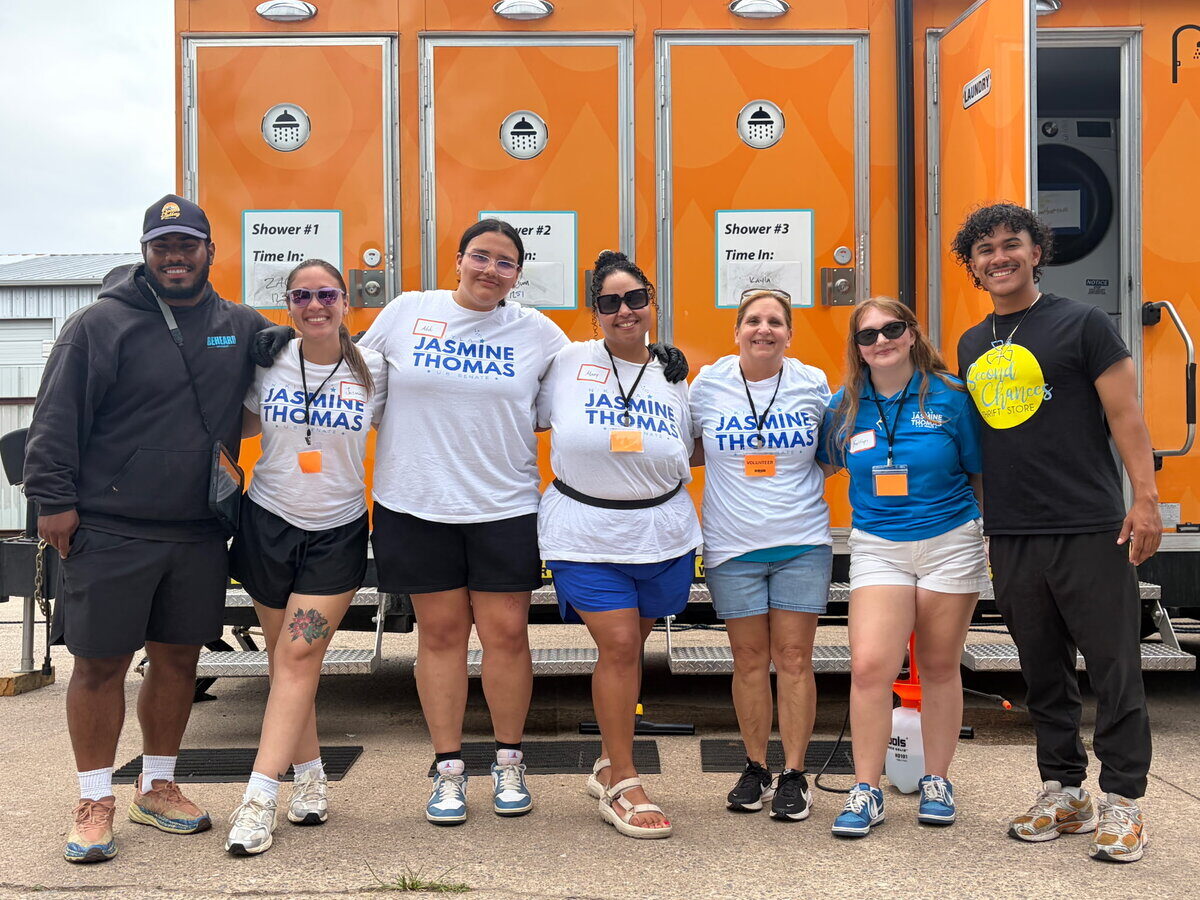
BeHeard Movement volunteers at a Tulsa mobile drop-in center: showers, laundry, haircuts, and case management referrals, staffed on a fixed weekly rotation.
The Problem With "We'll Figure It Out Each Week"
Street outreach isn't a one-time event. The gap between occasional help and consistent care is a staffing system that runs itself.
Recurring events need recurring infrastructure, not recurring effort
A nightly mobile drop-in center means rebuilding sign-up, reminders, and check-in every single week, unless you have templates that carry forward automatically. Without that, the coordinator becomes the system. When she's out, the event is in trouble.
No-shows hit harder in outreach than anywhere else
When a corporate volunteer event runs short, you have fewer hands on a project. When a street outreach event runs short, a person who was counting on a warm shower doesn't get one. Automated reminders before every shift aren't a nice-to-have. They're part of the service delivery.
Your regulars are invisible until they stop showing up
In a program that runs weekly, volunteers drift away gradually. First they miss one event, then two, then they're gone. Without a system that flags who hasn't been in lately, you notice the gap at the event, not in time to fill it.
How Consistent Outreach Programs Stay Staffed
Three steps that turn a weekly scramble into a system that runs without you.
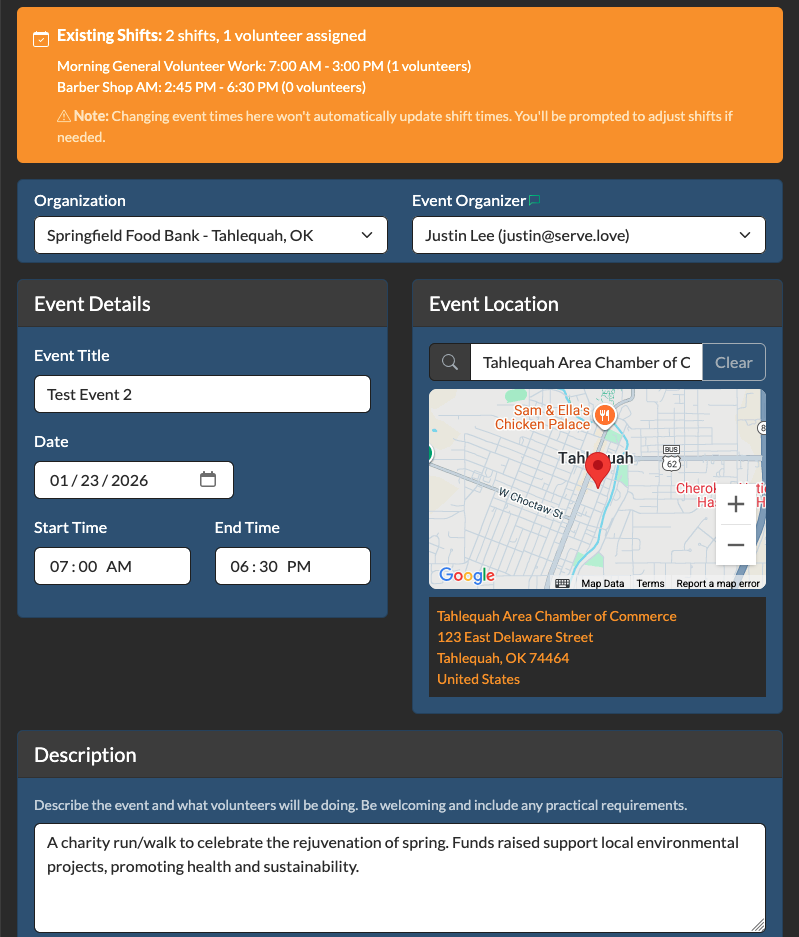
Set up your recurring shift templates, not a new event every week
Create your outreach event once (location, roles, capacity, intake questions, waivers) and let it repeat. Mobile drop-in on Tuesdays, serve day on Saturdays, new-volunteer orientation on the first Sunday of the month. Volunteers sign up for the series, not just a one-time slot.
Every volunteer knows when they're coming, before you have to tell them
Automated reminders go out before each event. Post-event thank-yous go out after. If someone hasn't signed up for anything in a few weeks, the platform knows. You can re-engage them with one message instead of scrolling a spreadsheet to remember who's been quiet.
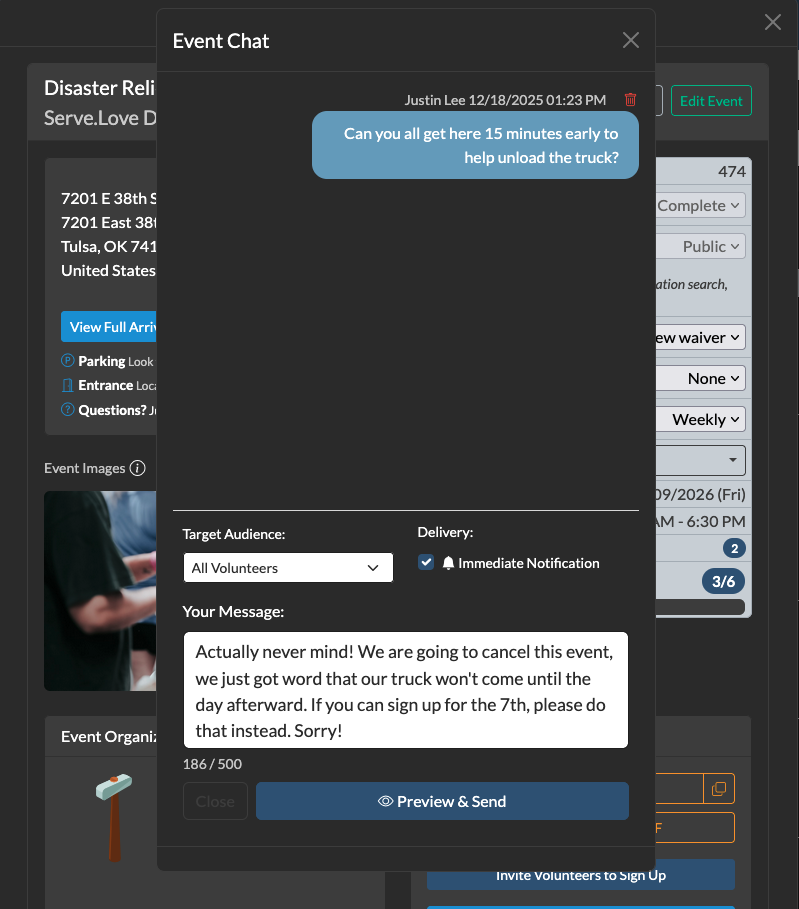
Check-in from a phone: roster and hours logged automatically
Volunteers check in by scanning a QR code or you mark them present in the admin view. Hours are tracked from arrival. At the end of the month, you have a full attendance record (who came, how often, how many hours) without touching a spreadsheet.
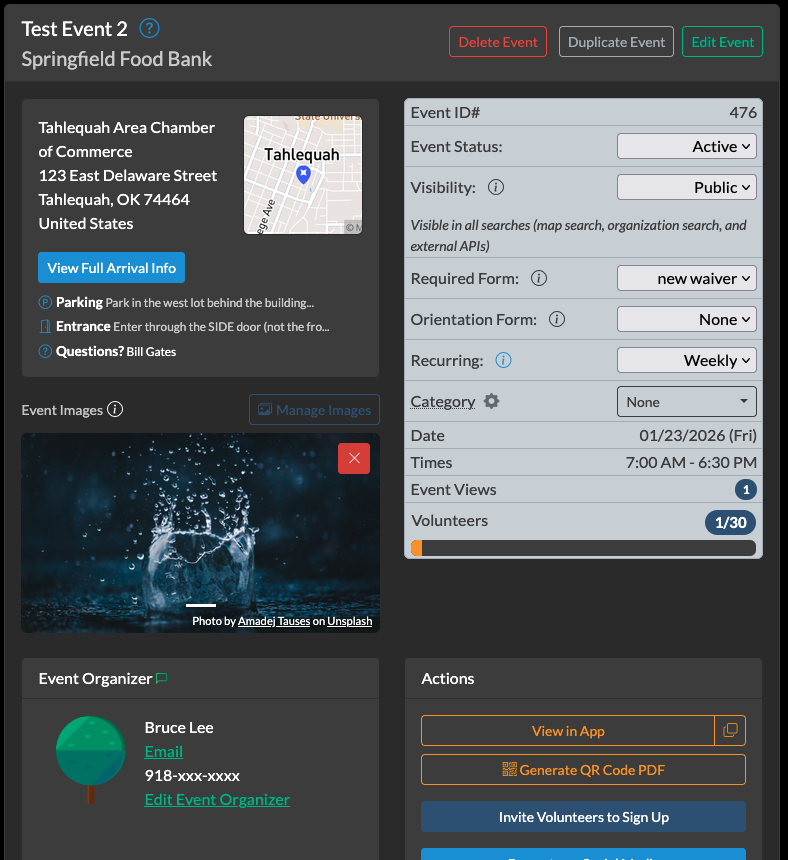
What This Looks Like at 825 Events
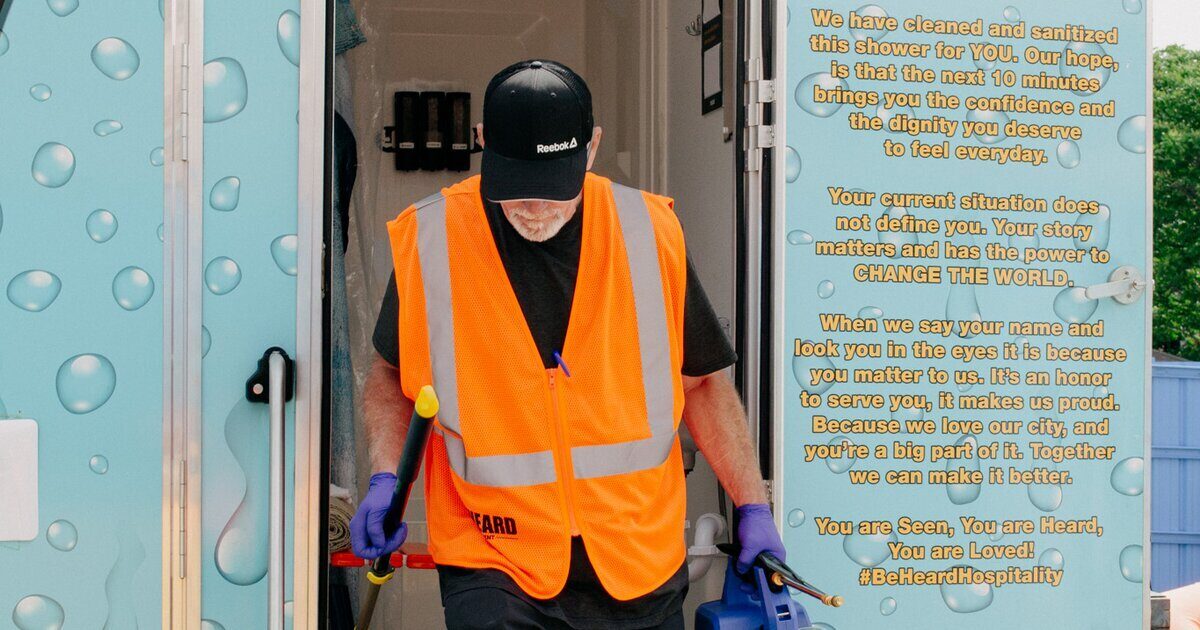
BeHeard Movement runs street outreach in Tulsa and Oklahoma City: nightly and weekly Mobile Drop-In Centers offering showers, laundry, haircuts, hygiene kits, clothing, and case management connections to people experiencing homelessness. They don't run these events occasionally. They run them all the time.
The cadence they keep (Mobile Drop-In Centers on a fixed weekly rotation, partner serve days with church teams and community groups rotating in, new-volunteer onboarding built into the schedule) only works because the logistics aren't manual. Sign-up is automated. Reminders go out before every event. Attendance is tracked at the door. Partner teams from Trinity Baptist, Agape Church, Tulsa International Church, Joe's Addiction, and Second Chances rotate through because the system they plug into is ready for them, not because someone stayed late rebuilding it every week.
That volume is only possible when the coordinator isn't the system. The shower trailer shows up because the volunteers were reminded. The volunteers were reminded because the platform did it. The coordinator's job is the mission, not the logistics behind it.
What Happens When the System Is One Person
Every outreach program that depends on one coordinator's memory and inbox has a fragility problem. When she takes a week off, gets sick, or burns out and leaves, the events don't stop needing to happen. The people you serve don't take a week off either. The cost of running your program manually isn't the hours it takes today. It's the gap that opens up the moment your most reliable person isn't available, and the volunteers who quietly drift away because nobody followed up.
Questions We Hear
Build the System Behind Your Mission
We'll set up your recurring shifts, automated reminders, and check-in in under 30 days, so your outreach runs whether or not you're the one holding it together.
Book a Free 20-Minute Call See PricingFree forever • No setup fee • No credit card